Few decorating ideas are sold as hard as the accent wall: one wall, deep colour or bold wallpaper, instant transformation. And sometimes it genuinely works — a room that felt flat suddenly has a focal point, and the other three walls can stay calm and cheap. But for every accent wall that fixes a room, there is another that does nothing except date quickly, darken a small space, or draw the eye to the one wall that should never have been the centre of attention.
The difference is not the paint. It is whether the room had a focal-point problem to begin with, whether the right wall was chosen, and whether the money would have done more elsewhere. This guide works through when an accent wall is worth it, when it wastes money, how to pick the wall, and the cheaper alternatives that often deliver the same effect.
Quick Answer
An accent wall is worth it when the room already has a natural focal point — a fireplace, a bed, a sofa wall — and that wall simply needs emphasis, or when you need to zone a large or open-plan space. It wastes money when the room is small and dark, when the chosen wall is broken up by doors and windows, when the colour is a fast-dating trend, or when the room’s real problem is light, layout or clutter. Paint on one wall is cheap; wallpaper and panelling on one wall often cost enough that the money deserves more scrutiny.
When an Accent Wall Genuinely Works
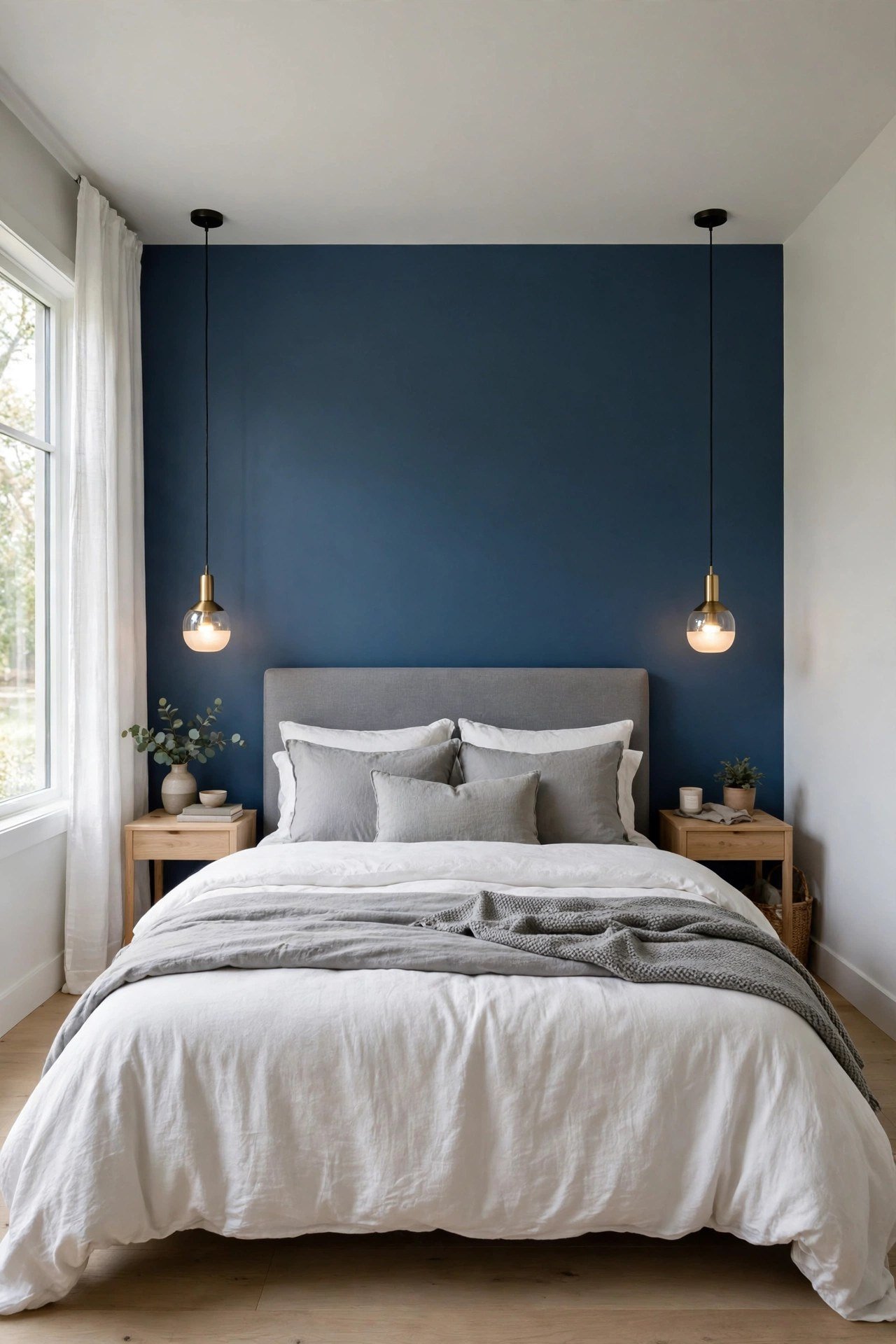
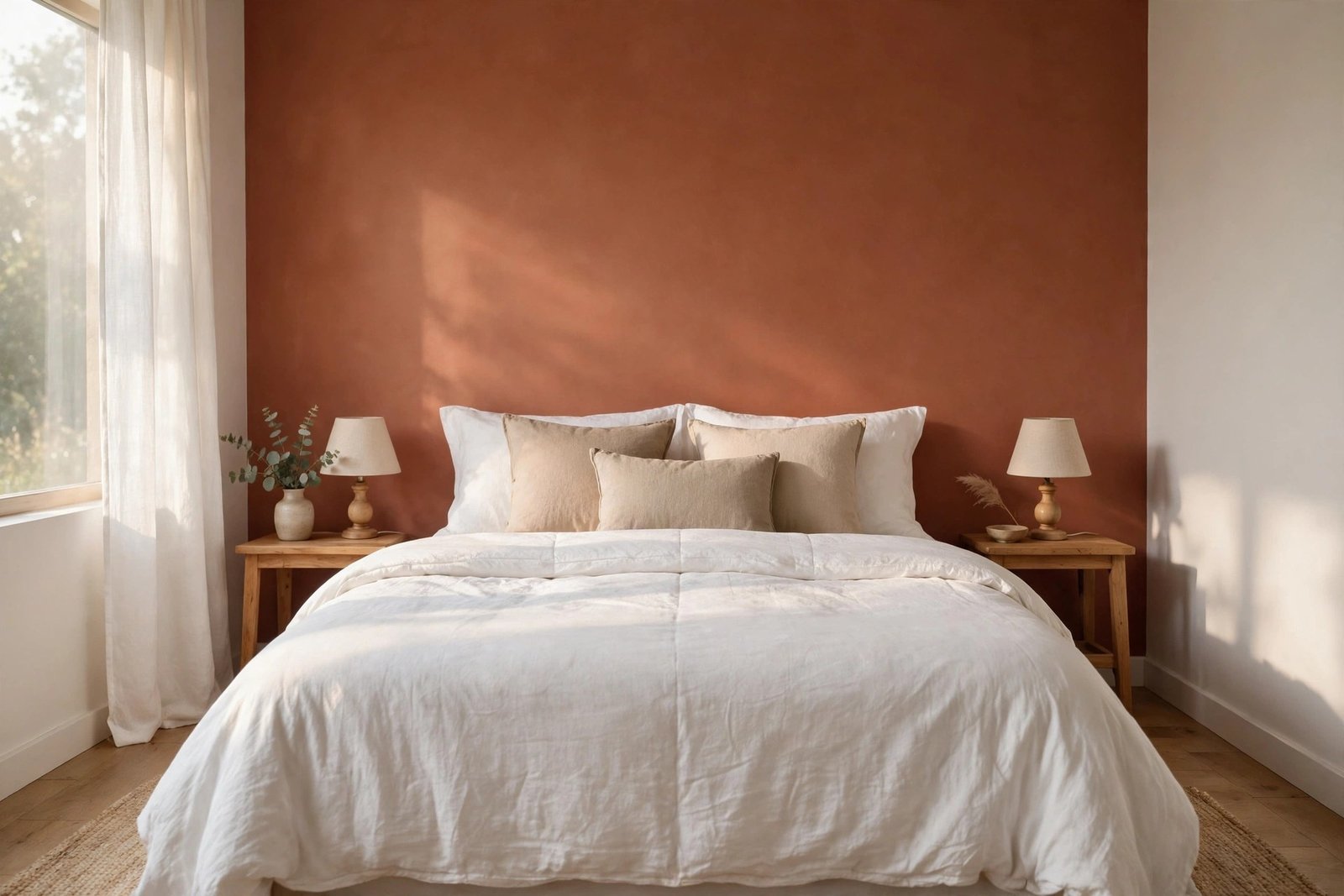
Behind a bed. The headboard wall is the classic success: the bed is already the focal point, the wall is usually unbroken, and a deeper colour makes the whole room feel deliberately designed. You also see it least while in bed, so a bolder colour there is easier to live with.
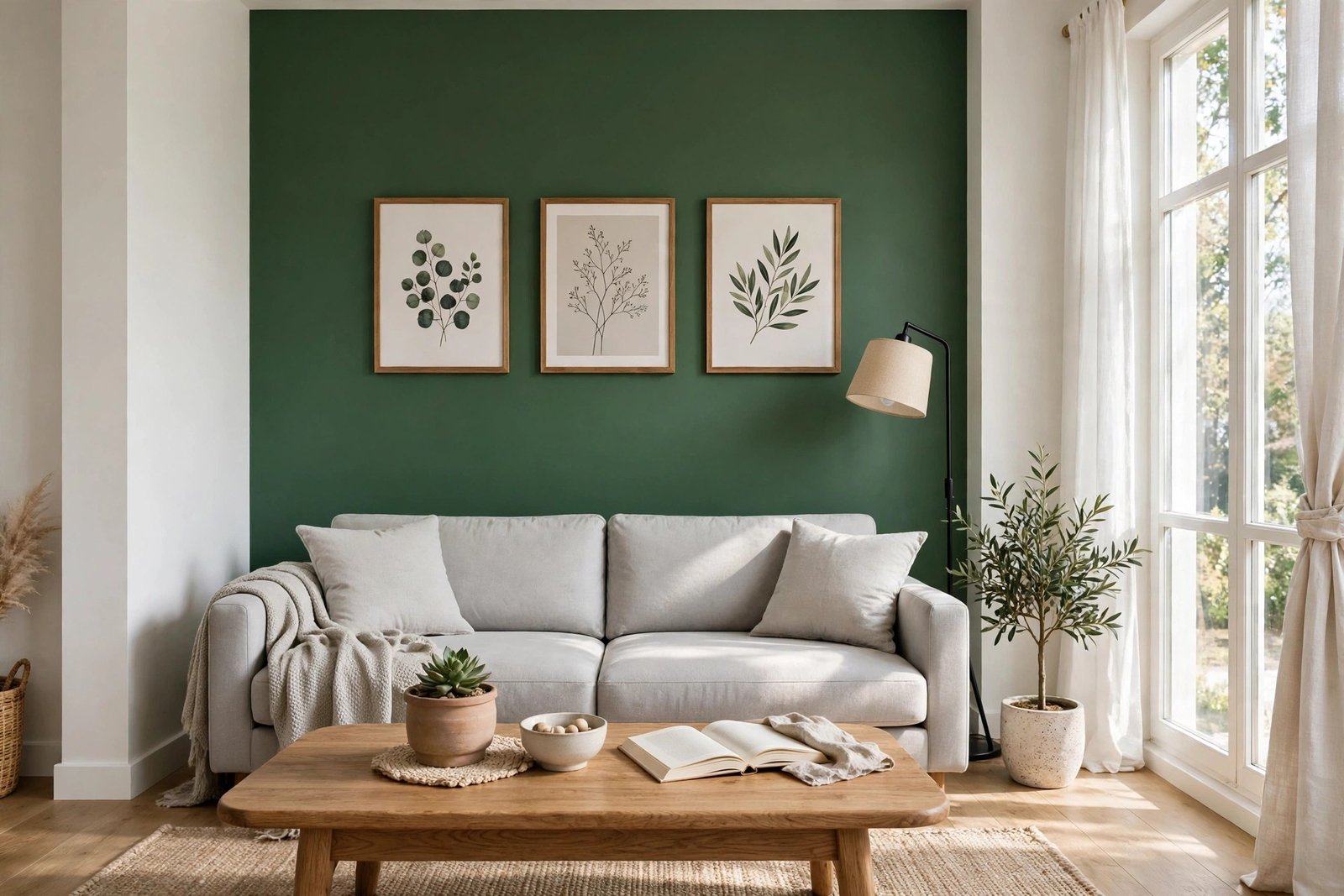
Behind a sofa. In a living room where the sofa sits against one long wall, colour behind it anchors the seating zone and gives the wall art and lighting something to play against. This works especially well in rooms that otherwise feel like a corridor of furniture.
To zone an open-plan space. Colour is the cheapest partition there is. One painted wall can declare “dining” inside a combined living-dining room without a single item of furniture being moved — although it works best combined with sensible zoning: a rug, a change of lighting and furniture placement that mark out each area.
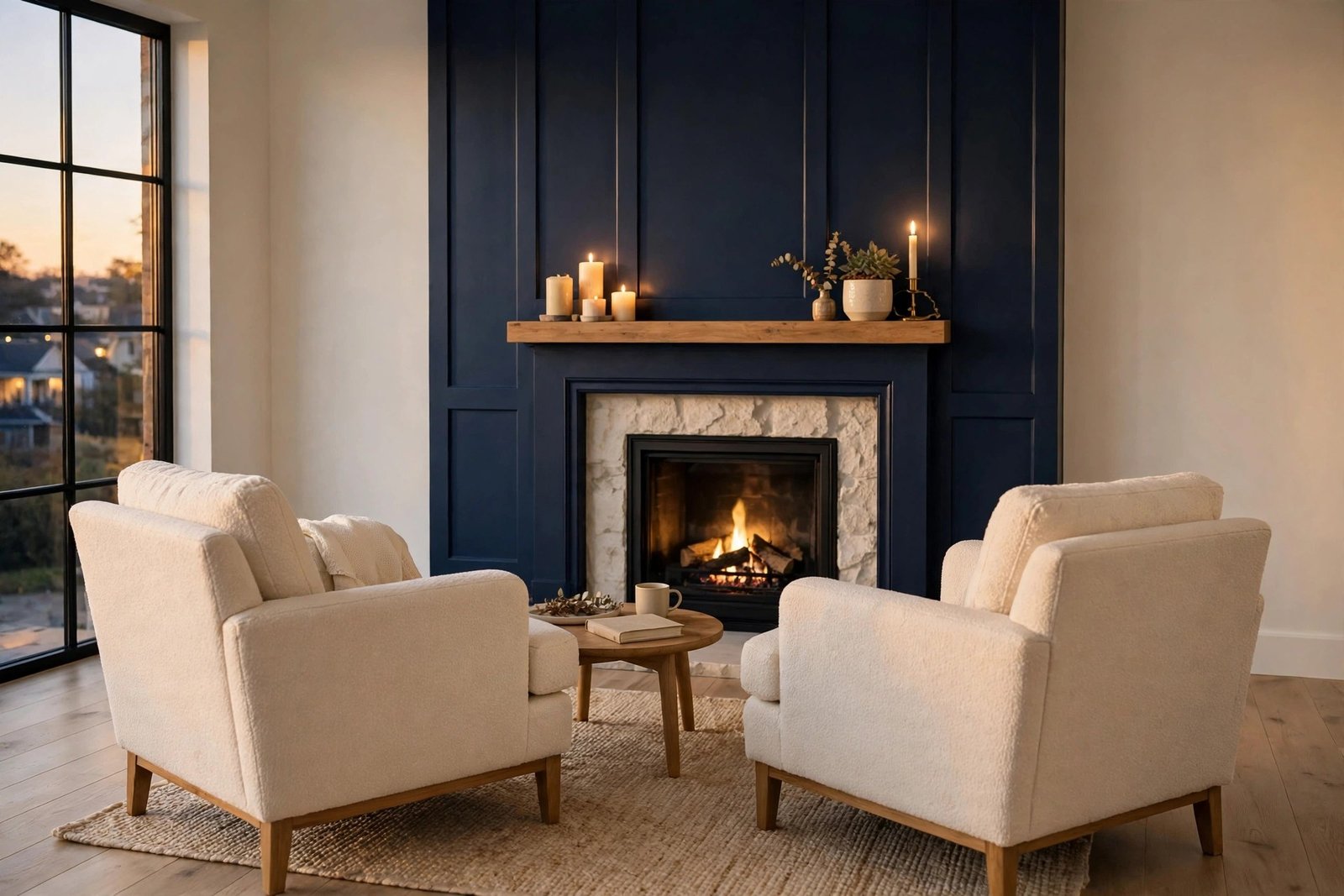
Around a fireplace. A chimney breast is a natural accent — it already stands forward of the other walls. Painting it, rather than a flat wall, amplifies a feature the room already owns.
When It Wastes Money
The room is small and short of light. A deep colour on one wall of a small, dim room usually makes that wall advance visually and the room shrink — the same effect described in our guide to paint colours that make a small room feel smaller. In these rooms, light colours on all four walls, plus colour in textiles, work harder for the same money.
The “accent” wall is chopped up. A wall full of doorways, windows or a radiator has no continuous surface to read as an accent. The colour ends up in fragments, and the effect is noise, not focus. If no wall in the room is reasonably whole, the room does not have an accent-wall candidate.
The colour is a trend with an expiry date. The more fashionable the shade, the sooner it announces its year. Paint can be redone cheaply, but wallpaper and panelling in a trendy pattern are an expensive way to buy a look you may dislike in three years.
The room’s real problem is something else. An accent wall cannot fix harsh lighting, a blocked walkway or too much furniture. If the room feels wrong for practical reasons, the accent wall becomes expensive camouflage — spend on the actual problem first, repairs and light and layout before decoration, and the room may not need an accent at all.
Choosing the Right Wall
Choose the wall you face when you enter or when you sit in the room’s main seat — accent colour works by being seen, not by being behind you. Prefer the wall with the fewest openings, and the one that already carries the room’s main feature: bed, sofa, fireplace, media unit. Avoid the wall with the door you enter through (you barely see it), and think twice about the window wall — backlighting turns most colours near-black and steals their effect for much of the day.
Then test properly. Paint a large sheet of paper or a board and move it around the room, watching it morning and evening, because colour shifts dramatically with light — the exact trap covered in our article on why paint colour looks wrong after painting. One test sheet is cheaper than repainting one wall.
Paint, Wallpaper or Panelling? An Honest Comparison
Paint is the budget champion: one wall takes little paint, a few hours, and can be reversed in an afternoon. For a first accent wall, paint is almost always the right answer, because it lets you live with the idea cheaply before committing.
Wallpaper brings pattern and texture paint cannot, but one wall of decent wallpaper plus paste and tools often costs several times the paint — and in a small room like a bathroom, the refresh money usually works harder on grout, light and fittings, as our guide to refreshing a bathroom without a full refit shows. Wallpaper earns its cost on a large, whole wall in a room you use daily, and loses it everywhere else.
Panelling adds architecture to plain rooms and can be genuinely transformative behind a bed or sofa, but it is the most expensive and least reversible of the three, and it steals a little floor depth. Treat it as furniture, not decoration: buy it for a room that is staying.
Cheaper Alternatives That Give the Same Effect
Often what a room needs is not a coloured wall but a focus. A large piece of art or a grouped gallery on the focal wall creates the same draw for the eye, moves house with you, and never needs repainting. Curtains in a strong colour dress the window wall with more softness than paint can. A big rug in colour anchors a seating zone from below — the horizontal accent wall. Painting the ceiling a soft tone, or painting one piece of furniture — a bookcase, a dresser — in the accent colour gives the room its note of depth in a smaller, safer dose. And in rented homes, all of these beat paint entirely, because none of them needs a landlord’s permission or a repaint at move-out.
Mistakes to Avoid
Accenting the wrong wall out of habit. The wall behind the television is often chosen automatically; if the seating faces it, fine — but if the room’s feature is the fireplace or the bed, the accent belongs there instead.
Going several shades too dark. Colour intensifies over a whole wall. The shade that looked rich on a small card regularly lands two steps darker at scale; choose one step lighter than your instinct.
Mixing an accent wall with four busy walls. The accent idea depends on contrast with calm surroundings. If the other walls carry strong colour, pattern and clutter, one more statement just adds noise.
Wallpapering before testing the idea in paint. Live with the painted version for a season first. If you still want pattern in a year, the wallpaper money is well spent; if not, you saved it.
Accenting a wall in a room with no focal furniture. Colour cannot invent a focal point where the layout has none — fix the layout first, then decide if a wall still needs help.
Frequently Asked Questions
Which wall should be the accent wall?
The wall the room already points at: behind the bed in a bedroom, behind the sofa or around the fireplace in a living room, and the wall you face from the main seat. It should be as unbroken as possible — few doors, windows or obstructions — so the colour reads as one surface.
Does an accent wall make a room look smaller?
A dark accent wall can make its wall feel closer, which slightly shortens the room in that direction — sometimes a benefit in a long, narrow room, usually a drawback in a small one. In small or dim rooms, keep the accent mid-tone at darkest, or move the colour into textiles and art instead.
Is one wall of wallpaper worth the money?
Only on a large, whole wall in a room used every day, in a pattern you are confident about for years. On small, broken-up walls, or as a first experiment, paint gives most of the effect for a fraction of the cost and can be changed in an afternoon.
Can I have an accent wall in a rental?
Usually only with the landlord’s written permission to repaint. Without it, use the removable equivalents — large art, coloured curtains, a strong rug, or a painted piece of furniture — which create the same focal effect and leave with you when you move.
The Bottom Line
An accent wall is a tool for one job: giving a room a focal point. Where a bed, sofa or fireplace already asks for emphasis, or where an open-plan space needs zoning, one painted wall is money well spent. Where the room is small and dark, the wall is fragmented, or the real problem is light and layout, the same money disappears into a darker, busier room. Test in paint, choose the wall the room already faces, and let the alternatives — art, textiles, a rug — compete for the budget before any wallpaper is ordered.