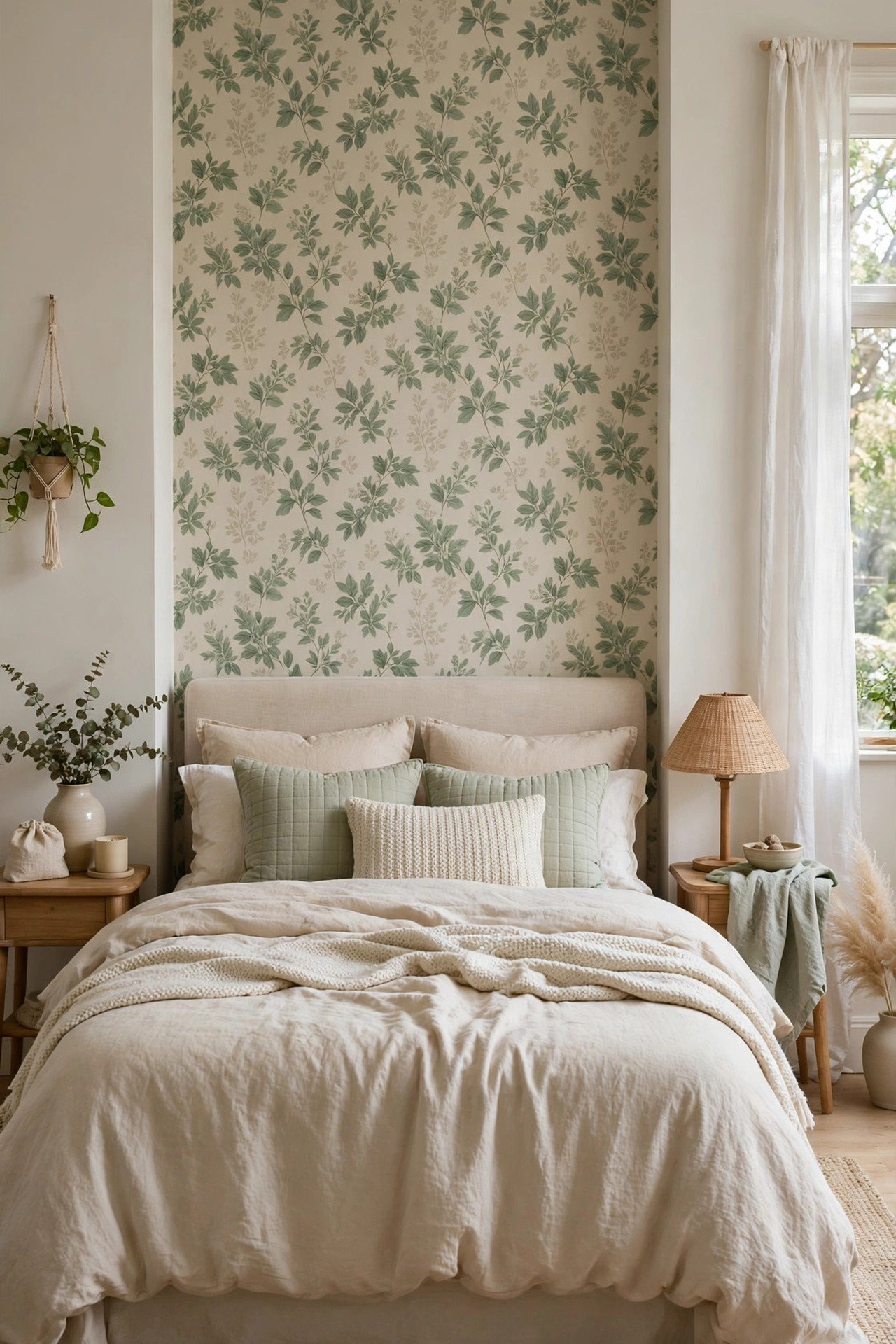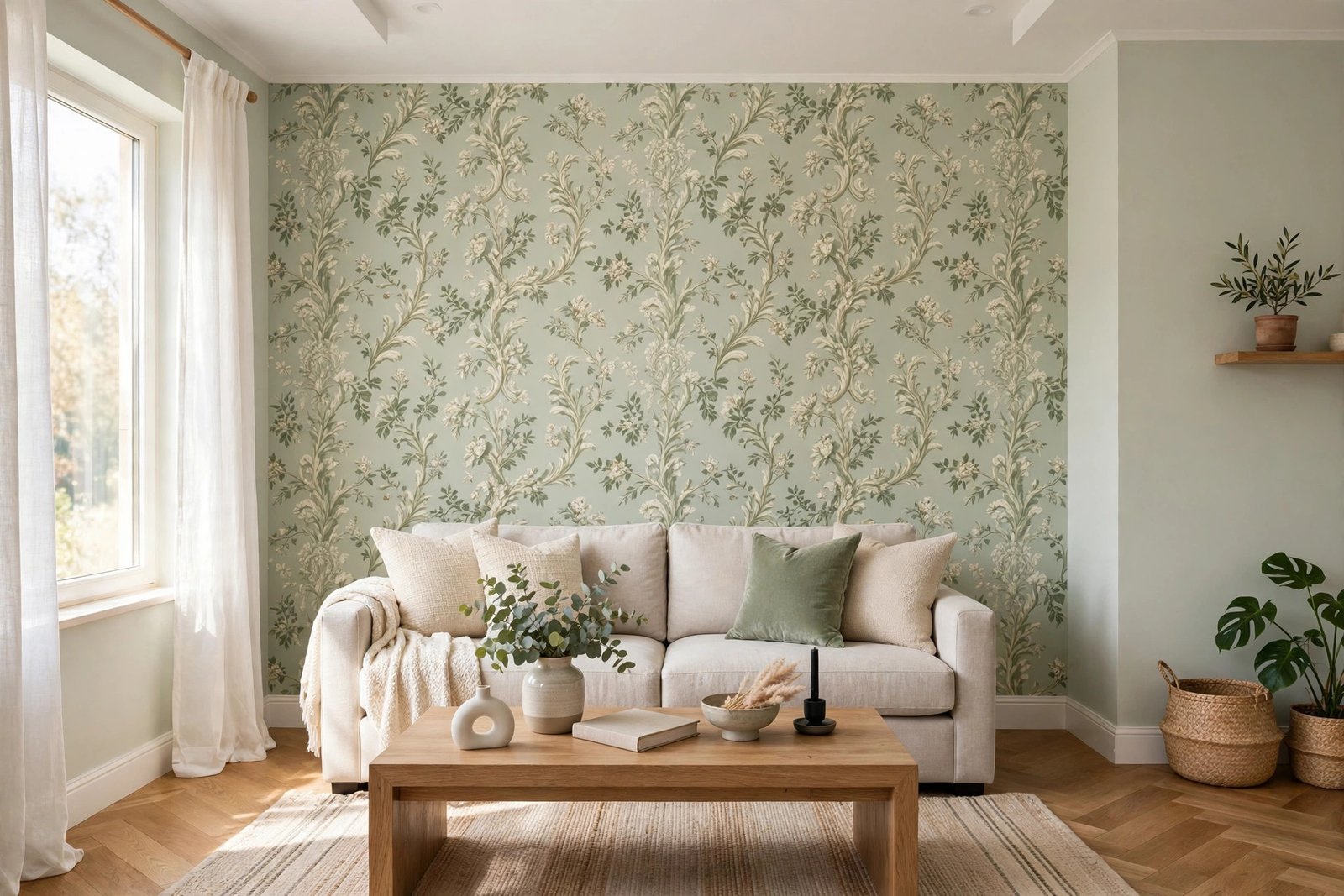
Paint or wallpaper? It sounds like a style question, but on a budget it is really a money question with two parts: which one costs less to put up, and which one costs less to live with — when it gets scuffed, stained, peeled by steam, or simply falls out of fashion. Wallpaper fans point out, correctly, that good paper can look fresh for a decade. Paint fans point out, also correctly, that a wall can be repainted in an afternoon for the price of a takeaway.
Both are right, in different rooms. This guide compares the two honestly — upfront cost, lifespan, repairs, and how each behaves in halls, bedrooms, bathrooms and rental homes — so you can choose per room instead of by habit.
Quick Answer
Paint wins on upfront cost, repairs and flexibility; wallpaper wins on lifespan in calm, dry rooms. A painted wall usually lasts three to five years before scuffs and marks show in a busy area, and touching it up takes minutes with leftover paint. Good wallpaper can last ten years or more, but one torn or stained section is hard to patch invisibly, and removing it later is the worst job in decorating. Default to paint for halls, kitchens, bathrooms, kids’ rooms and rentals; consider wallpaper for one calm feature wall in a bedroom or living room you plan to keep for years.
The Upfront Cost, Honestly Compared
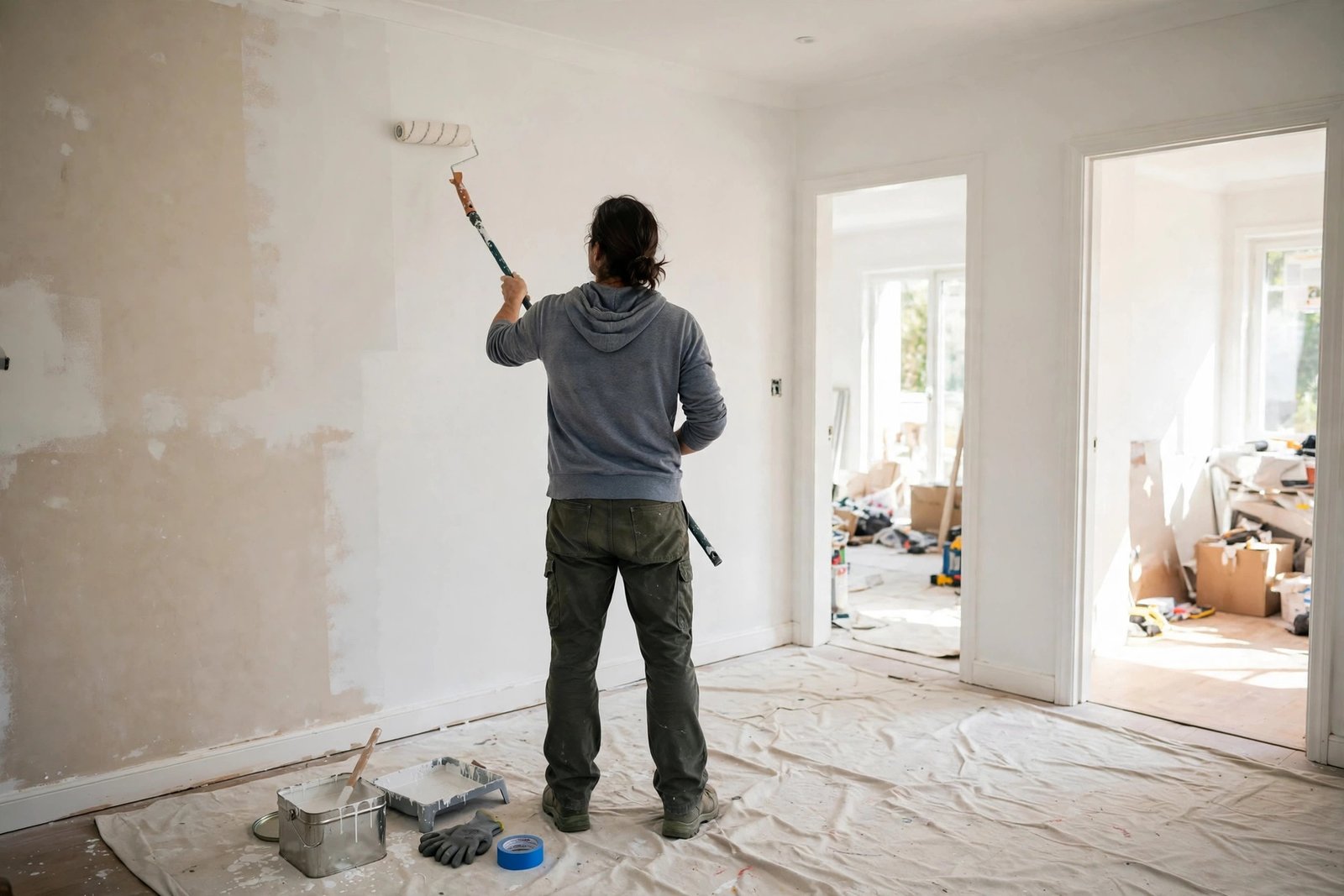
Paint is cheaper at every level: the material covers a large area per tin, the tools are a roller and a brush, and one person can finish a room in a weekend. Wallpaper costs more per metre even before paste, a table, a sharp blade and the extra time hanging it takes — and patterned paper adds waste, because every strip must be cut to match the pattern repeat, with offcuts you cannot use.
Labour widens the gap further if you are paying someone: hanging paper is slower and more skilled than rolling paint, and it is priced accordingly. This is why, when we ranked where to spend and where to save in a living room renovation, walls fell firmly in the “save” column — the money walls do not consume is better spent on the sofa and floor.
Lifespan: How Long Each Really Lasts
Paint does not usually fail — it fades, scuffs and collects marks. In a hallway, stairwell or child’s room, a painted wall can look tired in two to three years; in a quiet bedroom, five years or more. The finish matters: washable, scrubbable paints in busy areas last noticeably longer than flat matt, which marks if you brush against it with a bag.
Wallpaper genuinely outlasts paint in the right setting — a decade is realistic for quality paper in a dry, low-traffic room, and vinyl papers shrug off wiping that would mark paint. But wallpaper has its own expiry date built in: the pattern. Paper rarely wears out before it dates out, and when you tire of a bold print after four years, its remaining six years of life are worth nothing to you. Longevity only saves money if you still like the wall.
Repairs: Where Paint Wins by a Mile
Damage is where the comparison stops being close. A scuff, crayon mark or small chip in paint is fixed by dabbing leftover paint on with a small brush — five minutes, invisible, free if you kept the tin. A patch of damaged wallpaper means cutting out a section and inlaying a new piece with the pattern matched exactly; done well by a patient person it is merely difficult, and done over a faded wall it still shows, because the new piece is brighter than the years-old paper around it. If you do not have spare paper from the original roll — same batch, not just same design — a perfect patch may be impossible.
Steam is wallpaper’s other enemy: in bathrooms and kitchens, edges and seams can lift as moisture works into the paste, and each lifted seam is another fiddly repair. Paint made for kitchens and bathrooms simply wipes down and carries on.
Room by Room: The Practical Verdict
Hallways and stairs: paint, in a washable finish. These walls take knocks from bags, bikes and furniture, and paint touches up invisibly. This is the worst room in the house for wallpaper economics.
Living rooms: paint everywhere, with wallpaper allowed a single feature wall if the pattern is one you can live with for years — our guide to whether an accent wall is worth it covers choosing that wall and the cheaper ways to get the same effect.
Bedrooms: wallpaper’s best case. Low traffic, dry air, and walls you look at for years — especially behind the bed, where paper adds pattern without being stared at up close. Paint still wins for children’s bedrooms, which get redecorated and drawn on.
Bathrooms and kitchens: paint, specifically kitchen-and-bathroom paint. Steam, splashes and wiping are daily events, and neither seams nor paste enjoy them.
Rentals: paint, if the landlord allows anything at all — and often they allow nothing, in which case neither option applies and the colour has to come from textiles and art.
The Middle Options Worth Knowing
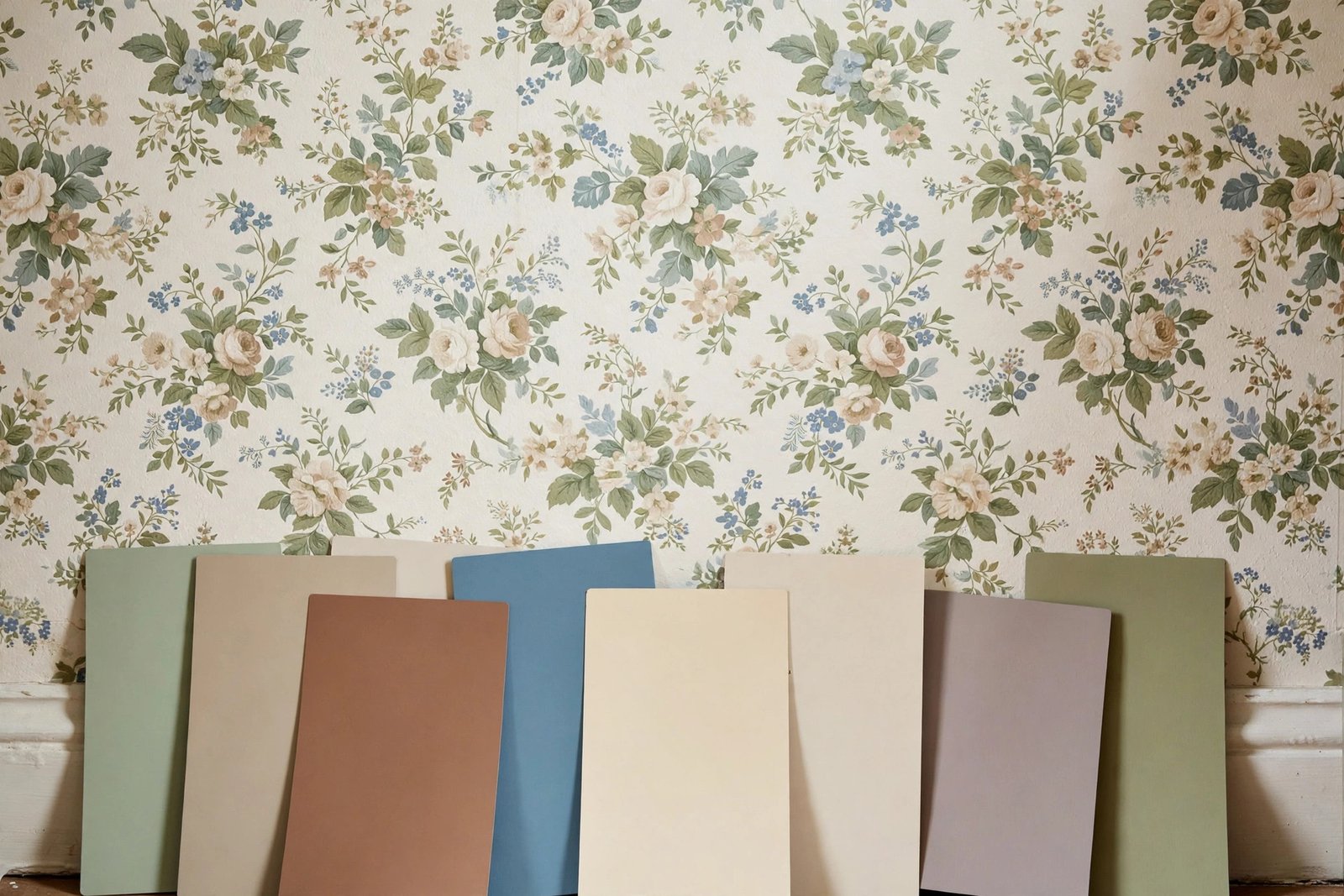
Paintable textured wallpaper covers lumpy, imperfect walls and can then be repainted like a normal wall — a genuinely useful budget trick for old plaster, combining paper’s wall-hiding with paint’s easy touch-ups. Half-painted walls — colour below a picture rail or a taped line, plain above — give a designed look for one tin of paint. And if it is pattern you want, stencils and wall decals put pattern onto paint at a fraction of paper’s cost, and disappear under one coat when you move on. Whatever colour route you take, test it in the room’s real light first — the classic trap in our article on why paint colour looks wrong after painting catches wallpaper samples just as easily as paint cards.
Mistakes to Avoid
Wallpapering a whole small room in a bold print. The most expensive way to make a room feel smaller and date faster. One wall is the budget-safe dose of pattern.
Buying the cheapest wallpaper. Thin paper tears while hanging, shows every bump in the wall and fades unevenly. Cheap paint is forgiving; cheap wallpaper is not.
Not keeping leftovers. Keep the paint tin’s remains and a spare roll of paper, labelled with the room. Without them, every small repair becomes a big job.
Wallpaper in a steamy bathroom “because it is vinyl”. The surface may be waterproof, but the seams and paste behind it are the weak points, and they fail first.
Judging by the sample alone. A colour or pattern behaves differently across a whole wall and in evening light. Live with a large sample on the wall for two days first.
Frequently Asked Questions
Is wallpaper more expensive than paint overall?
Upfront, yes — materials, tools and time all cost more, and paying a decorator widens the gap. Over a full decade in a calm room it can even out, because the wallpaper may need no attention while paint is refreshed once. In busy rooms it never evens out, because damage repair keeps costing you.
Which lasts longer in a hallway?
On paper, wallpaper; in real hallways, paint — because the question is not how long the surface survives but how it looks after years of knocks. Paint touches up invisibly in minutes, while every mark on wallpaper is permanent or a visible patch. Washable paint is the hallway’s honest winner.
Can you paint over wallpaper?
Yes, if the paper is sound, flat and well stuck — seal it with the right primer first, or the paint’s moisture can lift seams and bubbles. Textured paper will still show its texture through paint. If the paper is peeling or you plan to stay long-term, stripping it first is the better job.
Which is easier to change when I get bored?
Paint, by a wide margin: one coat covers most colours, two covers anything, and the whole change takes a day. Changing wallpaper means stripping first — soaking, scraping and repairing the wall underneath — before the new finish even starts. If you change your mind often, paint is your material.
The Bottom Line
Paint is the budget default for good reason: cheapest to apply, easiest to repair, quickest to change. Wallpaper earns its higher cost in exactly one situation — a calm, dry room, on one wall or behind a bed, in a pattern chosen for a decade rather than a season. Choose per room, keep your leftovers, and walls will stop being a recurring expense and become the cheap background they should be.