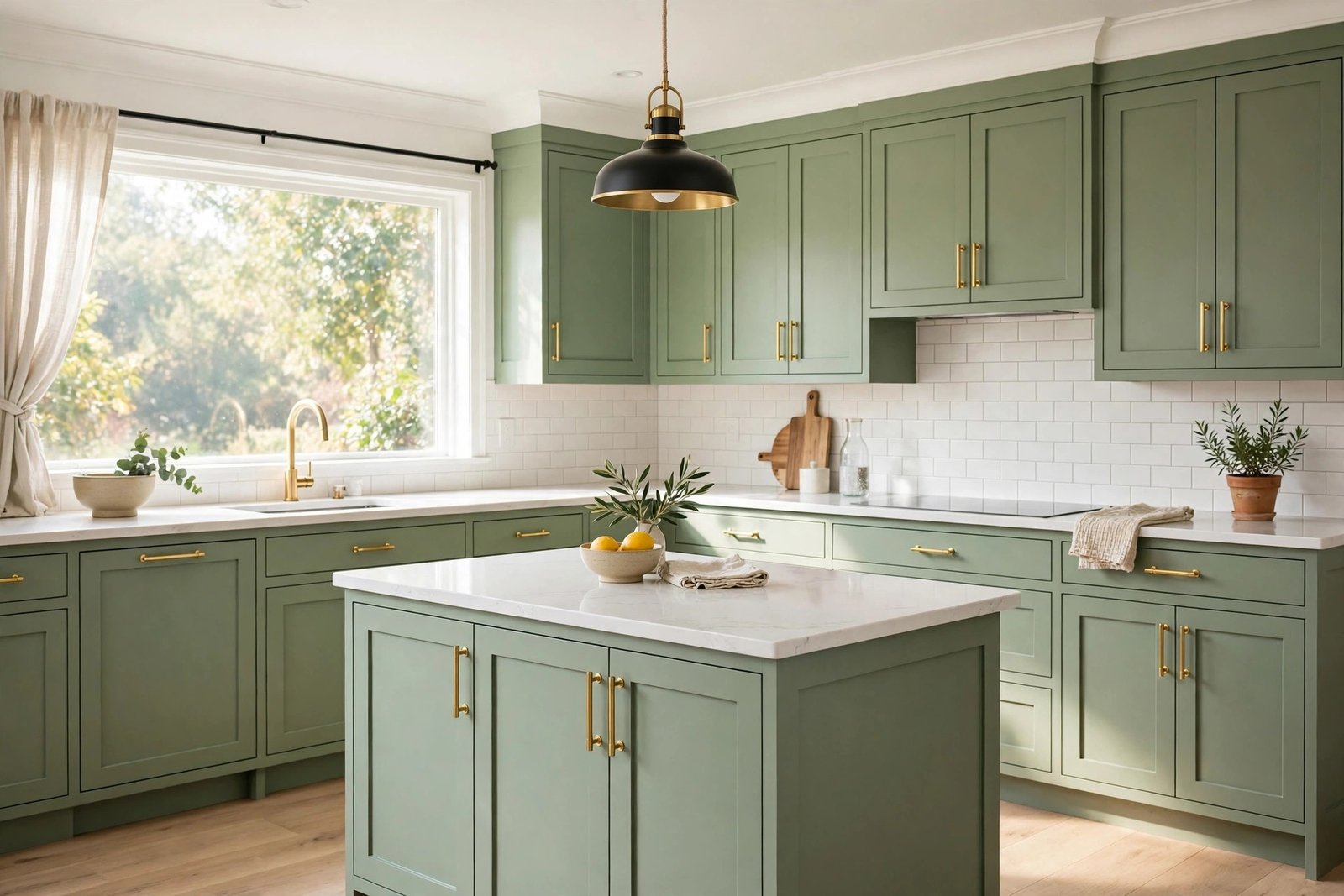
Kitchen cabinets dominate the room — they cover more visual area than the floor, the appliances and the worktop combined. So when a kitchen looks dated, the cabinets take the blame, and the quotes that follow can be shocking: a full replacement often costs as much as a small car. Painting the same cabinets costs a fraction of that. Between the two sits a middle option many people never hear about — replacing only the doors. This guide compares all three honestly: what each costs, how long it lasts, when painting is a false economy, and how to decide for your kitchen rather than a showroom’s.
One thing first: if your cabinet boxes are sound and the layout works, you almost certainly do not need a new kitchen. You need new-looking fronts. The question is only how far to go to get them.
Quick Answer
Paint if the cabinet boxes and doors are solid, the layout works, and you want the biggest change for the least money — expect it to cost roughly a tenth of full replacement in materials if you DIY, and to last 5–8 years with proper preparation. Replace just the doors if the boxes are sound but the doors are damaged, warped or a style paint cannot fix. Replace everything only if the boxes are failing, the layout is wrong, or you are renovating for the long term and the budget genuinely allows it.
Option 1: Painting Your Cabinets
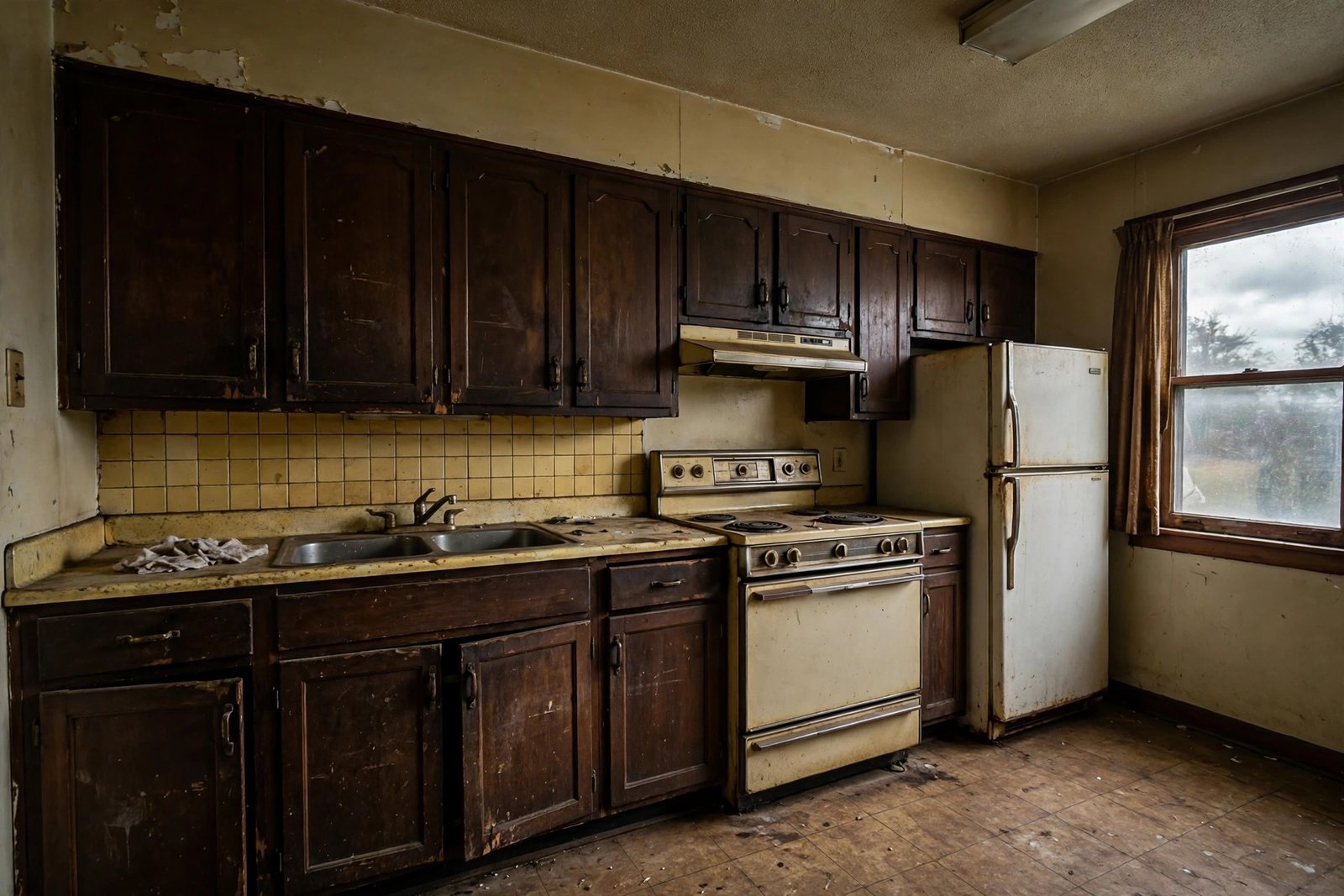
Cost. DIY materials — degreaser, primer, cabinet paint, brushes or a small sprayer — typically run to a few hundred in most currencies for an average kitchen; hiring a professional spray finisher costs several times more but still lands far below new cabinets. The real price is time: a careful job takes most of a week, much of it waiting for coats to cure.
Pros. The lowest cost by a wide margin. Any colour becomes possible, including colours no manufacturer sells. Nothing goes to landfill, the kitchen stays usable most evenings, and the result genuinely transforms the room — painted cabinets are the single most convincing “new kitchen” illusion there is.
Cons and honest limits. Paint is a coating, not a cure. It will not fix swollen, water-damaged doors, warped frames or a layout that frustrates you. Around the sink and hob, steam and grease test the finish daily, and a rushed job — doors painted in place, no degreasing, no primer — chips within a year. Expect to touch up high-wear edges every few years. If your current doors are foil-wrapped and the foil is peeling, paint over them is unreliable; the wrap must come off first, which is slow, fiddly work.
The preparation is the product. Remove doors and hardware, degrease thoroughly (kitchen grease defeats paint silently), sand to dull the surface, prime with an adhesion primer, then apply two or three thin coats of a hard-wearing cabinet or trim paint. Label every door and hinge as you remove them. This discipline is what separates an eight-year finish from a one-year disappointment — the same patience-first thinking we recommend in renovating on a tight budget and what to fix first for the biggest change.
Option 2: New Doors, Old Cabinets (Refacing)
Cost. Typically a third to a half of full replacement, because you are buying doors, drawer fronts and matching edge trim while keeping boxes, plumbing and electrics untouched.
Pros. A true style change — shaker to slab, wood grain to flat colour — that paint alone cannot achieve, with a factory finish that outlasts most DIY paint. The kitchen is out of action for days rather than weeks, and you can add soft-close hinges and new handles at the same time for a genuinely “new kitchen” feel.
Cons. It only works if your boxes are standard sizes and structurally sound; made-to-measure doors for odd boxes erode the savings. The interior of the cabinets stays old, and the layout stays exactly as it is — if the layout is the problem, refacing polishes the wrong thing, much like the dead-space issues in our guide to corner kitchen cabinets wasting space and how to use dead corners properly.
Option 3: Full Replacement
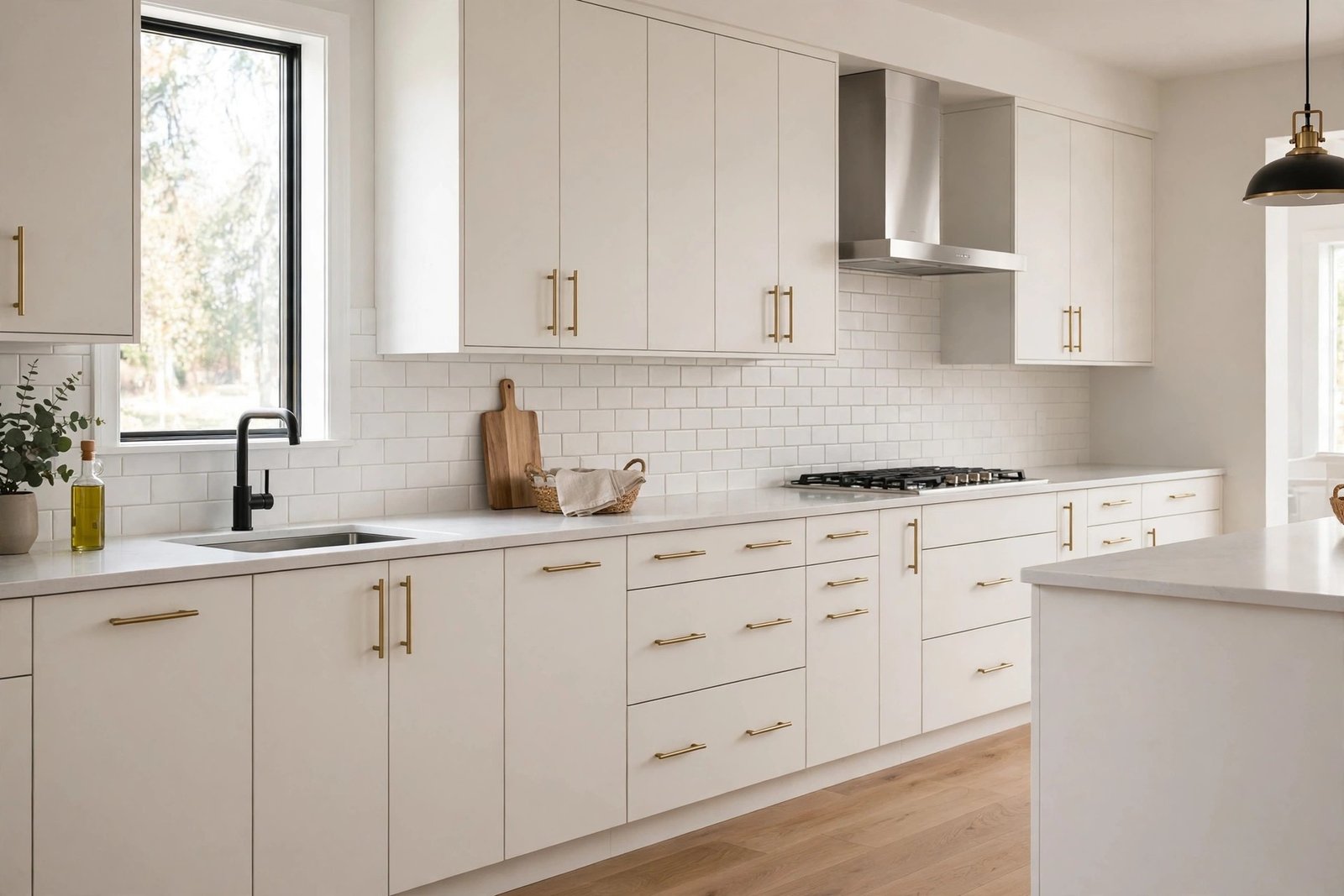
Cost. The full range is enormous — flat-pack DIY at the low end, bespoke joinery at many times that — plus fitting, worktops, possible plumbing and electrical moves, and disposal. It is the only option that reliably reaches five figures for an average kitchen.
Pros. Everything becomes possible: a new layout, better storage design, integrated appliances, and a lifespan of 15–25 years. If boxes are rotting, carcasses are swollen from an old leak, or the layout forces a broken work triangle, replacement is not extravagance — it is the correct repair.
Cons. Cost, mess and time: typically two to four weeks without a fully working kitchen. And honest advice most showrooms skip — new cabinets in an unchanged layout, chosen in a similar style, often look surprisingly like the old kitchen with a bigger bill. Replacement pays when it changes how the kitchen works, not just its colour.
The Decision, Question by Question
Are the boxes sound? Open every cabinet and check for swelling, rot, sagging shelves and wobbling frames, especially under the sink. Sound boxes: paint or reface. Failing boxes: replace.
Does the layout work? If cooking flows well, keep it and spend on surfaces. If you fight the layout daily, no surface fix will satisfy you — save towards replacement instead of painting twice.
How long will you stay? Under five years, paint almost always wins on value. Ten years or more, refacing or replacement earns its cost back in daily use — and if selling soon, remember that buyers respond to a fresh kitchen but rarely pay a premium that covers a full refit.
What is actually dated — colour or style? Colour is paint’s home ground. Style — ornate mouldings, arched doors — can be softened by paint and new handles more than you would expect, especially if you also fix the lighting, since harsh light exaggerates every dated detail; see our guide to kitchen cabinets that are too dark or too high, and the fixes for both.
Mistakes to Avoid
Painting over grease. The number-one cause of peeling cabinet paint. Degrease until a white cloth comes away clean, then degrease once more.
Skipping primer or using wall paint. Cabinets need adhesion primer and a hard finish — satinwood, eggshell or dedicated cabinet paint. Standard emulsion will mark and chip within weeks.
Replacing cabinets to fix a layout problem paint money could solve elsewhere. Sometimes the budget is better spent on the counter, lighting and one appliance. Decide what actually bothers you, in writing, before visiting showrooms.
Forgetting the extras in replacement quotes. Worktops, handles, fitting, waste removal and making good walls can add a third to a headline cabinet price. Compare complete costs, not brochure costs.
Painting rented cabinets. In a rental, cabinet painting is almost never permitted — use the reversible changes in our rental kitchen guide instead, and save the paint decision for a home you own.
Frequently Asked Questions
How long does painted cabinet finish actually last?
With proper degreasing, priming and a hard-wearing paint, five to eight years of good service is realistic, with small touch-ups around handles and the sink area along the way. Professional spray finishes tend to sit at the top of that range.
Can I paint foil-wrapped or laminate cabinets?
Laminate in good condition can be painted after sanding and an adhesion primer. Foil wrap that is peeling or bubbling should be stripped first — painting over failing wrap fails with it. If stripping sounds miserable, new doors are usually the better spend.
Does painting cabinets add value when selling?
It improves photographs and first impressions, which helps a home sell, but it rarely adds measurable price by itself. A full replacement almost never returns its cost at sale either — do it for your own use, not as an investment.
What colour should I choose if I might sell in a few years?
Soft neutrals — warm white, pale greige, light sage — photograph well and offend nobody. Strong colours are a joy to live with and easy to repaint, so choose for yourself if you are staying, and for the market only if a sale is genuinely near.
The Bottom Line
Sound boxes plus a working layout plus a dated colour equals paint — it is the best value transformation in the whole house. Sound boxes with tired door styles point to refacing. Failing boxes or a broken layout are the only honest reasons to replace. Decide by the condition of what you cannot see — the boxes — not by the showroom, and your kitchen budget will go exactly as far as it should.
2 thoughts on “Should You Replace or Paint Kitchen Cabinets? Costs, Pros and Honest Advice”