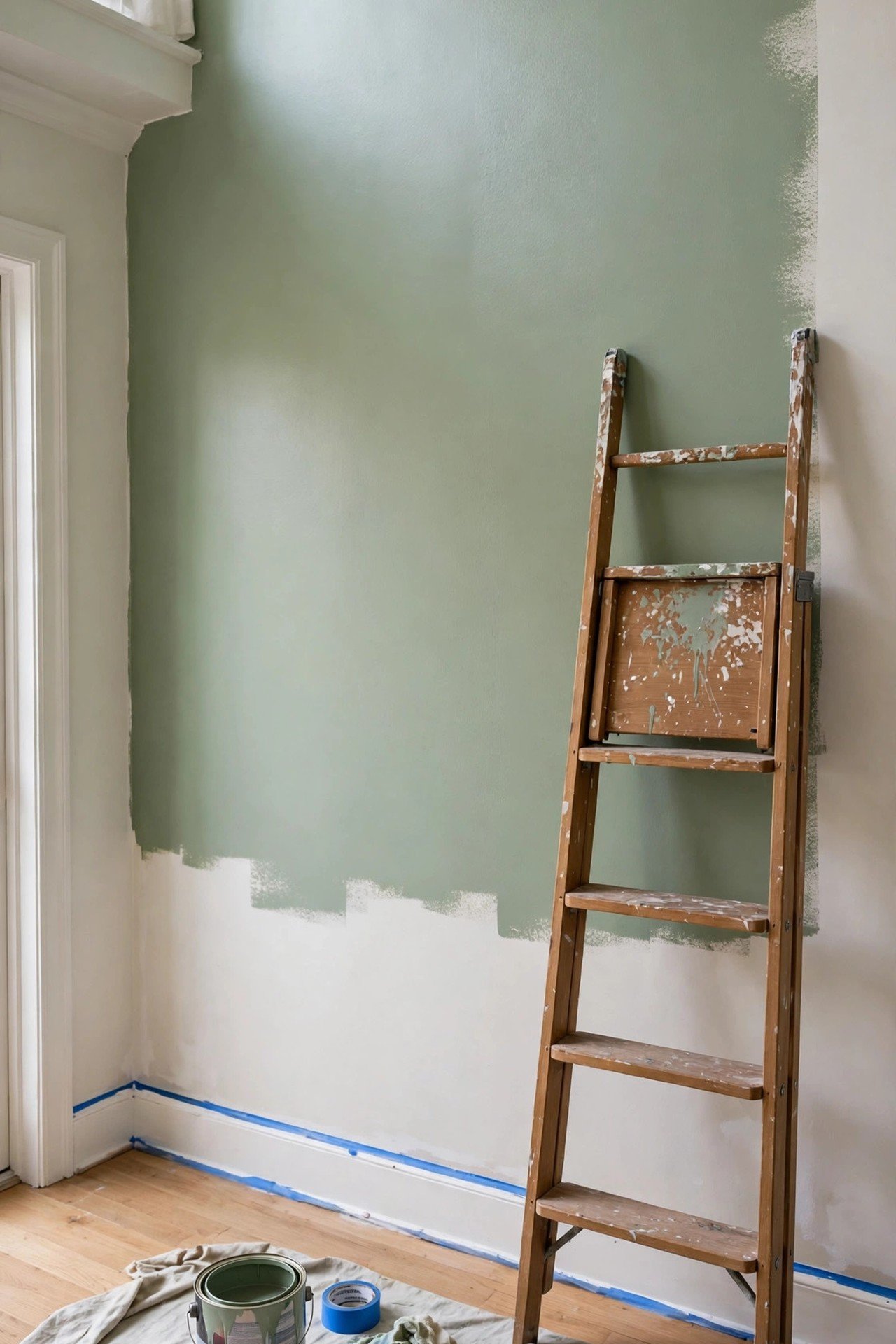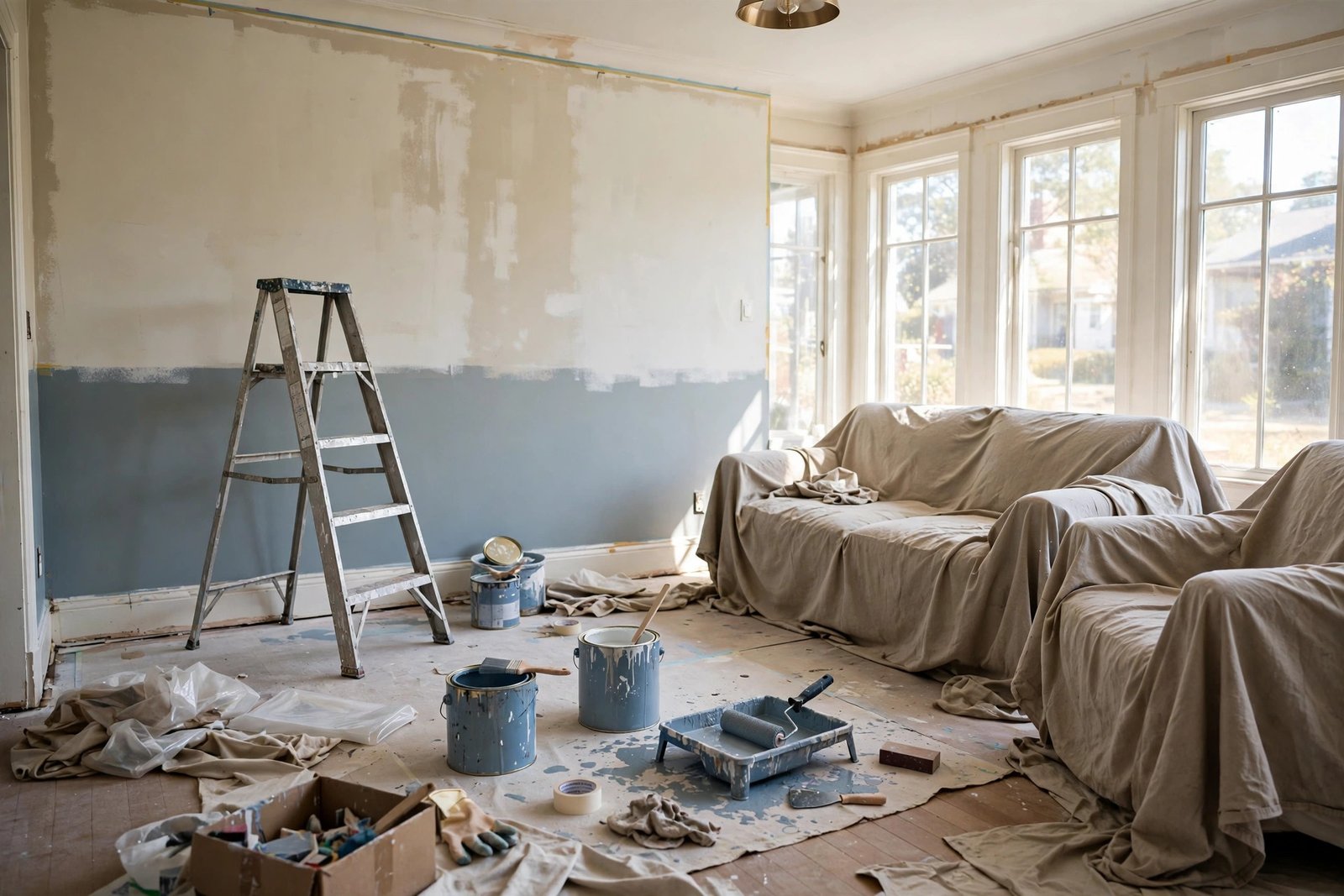
Ask homeowners what they regret about their renovation and the same answers come back, in the same order, from people who have never met: the kitchen they replaced when paint would have done, the trendy floor they now dislike, the “while we’re at it” extras that doubled the budget, the beautiful sofa that does not fit through the door. Renovation regrets are remarkably predictable — which is good news, because predictable mistakes can be avoided before they cost anything.
This guide collects the regrets that waste the most money, explains why each one happens, and shows where the same budget does lasting good instead. None of them require a bigger budget to avoid — only a pause at the right moment.
Quick Answer
The renovation mistakes that waste the most money are: replacing things that repair, paint or new doors would have saved; choosing trends for permanent items; skipping repairs and preparation to fund decoration; running out of money mid-job because no contingency was kept; buying large items before measuring and planning the layout; and doing jobs in the wrong order so finished work gets damaged or redone. Almost every regret traces back to spending on what is visible before what is structural, and on what is fashionable before what is daily.
Regret 1: Replacing What Could Have Been Saved
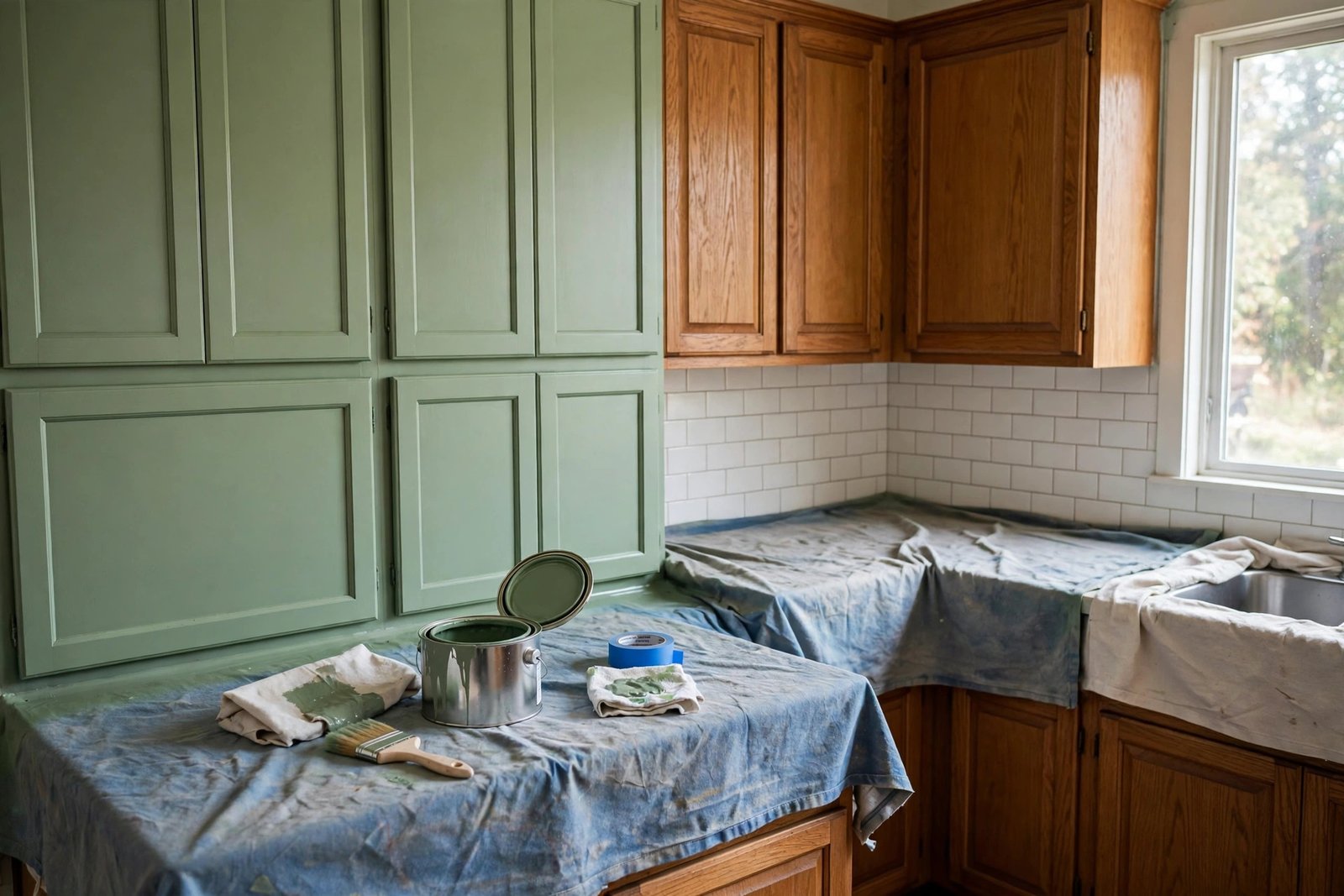
The most expensive sentence in renovation is “we might as well replace it”. Cabinet boxes that are sound get ripped out because the doors look dated; baths are replaced because the sealant is black; doors are replaced because the paint is chipped. Replacement is sometimes right — failing, rotten or badly laid-out items should go — but it should be a conclusion, not a reflex.
The comparison that saves the most money, most often, is the one in our guide on whether to replace or paint kitchen cabinets: sound boxes plus a working layout plus dated doors equals paint or new doors, at a fraction of replacement cost — and the saved money funds the rest of the house. Before replacing anything big, ask what exactly is wrong with it: broken, or merely unfashionable? Unfashionable is a surface problem with a surface-priced solution.
Regret 2: Trends Built Into Permanent Things
Trends belong in cushions. Instead, they get built into the items that are hardest to change: bold patterned floor tiles, a brightly coloured bathroom suite, statement wallpaper on every wall, an unusual worktop material. For two years the room looks current; for the following ten it looks dated, and changing it means a full renovation rather than a weekend refresh.
The safe division is simple: permanent surfaces — floors, tiles, suites, cabinet colours — in calm, ordinary finishes that offend nobody and age slowly; fashion in paint, textiles, art and accessories, which carry the personality and can be replaced for small money. Homeowners rarely regret a neutral floor. They regularly regret the exciting one.
Regret 3: Decoration Funded by Skipping Repairs
A leaking shower tray does not care that the bathroom has new tiles: it will ruin them from behind. Money moved from repairs, ventilation, preparation and proper materials into visible finishes is the most reliably wasted money in renovation, because the finish fails and the hidden problem remains — so you pay for both, twice.
The correct order is boring and absolute: water, structure and safety first; preparation second; surfaces third; decoration last. It is the spine of our guide to renovating on a tight budget and what to fix first, and homeowners who followed it under pressure consistently describe it as the decision they are most grateful for.
Regret 4: No Contingency, Then “While We’re At It”
Two budget failures partner up constantly. First, no contingency: the plan spends every unit of money on the visible job, leaving nothing for what opening a wall or lifting a floor inevitably reveals — and something is always revealed. A reserve kept back for surprises is not pessimism; it is the standard experience of every renovation ever done. Second, scope creep: once work starts, each “while we’re at it” addition sounds small, and together they quietly add a third or more to the bill.
The defence is a written plan with a kept-back reserve, and a rule that additions wait until the planned work is finished and paid for. If the reserve survives unused, it becomes the budget for the next room — which is a pleasant problem, unlike the alternative.
Regret 5: Buying Before Measuring and Planning
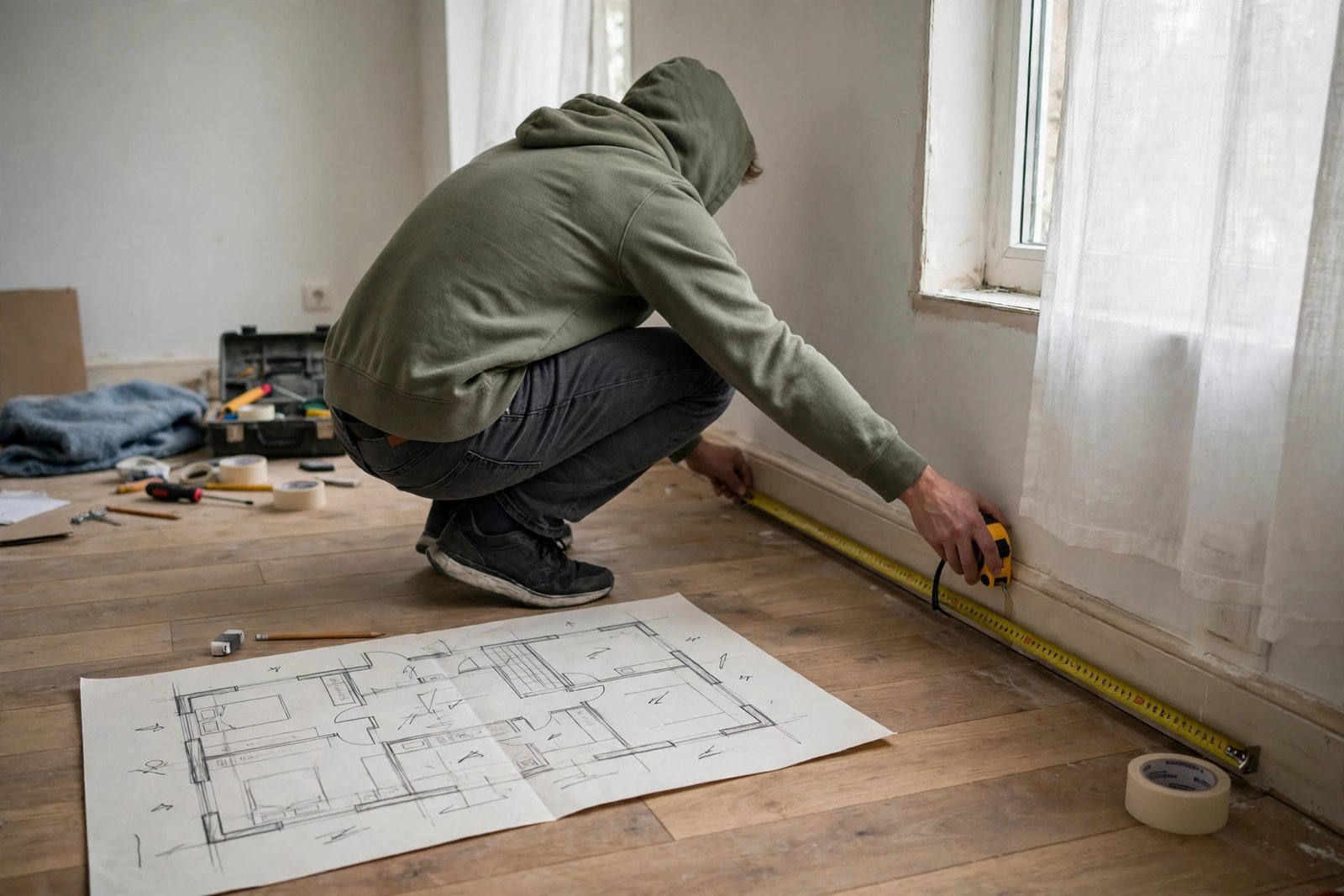
The sofa that will not turn in the hallway. The island that leaves no room to open the oven. The tiles ordered for a room measured once, from memory, that run out two rows from the wall — in a batch that no longer matches. Big purchases made before the layout is planned and the room is measured twice are pure waste: returns, restocking fees, compromises, or living forever with the item that almost fits.
Plan the room on paper first — where everything goes, what doors and drawers need to swing, what routes people walk — then measure, then buy, then keep receipts and batch numbers. An hour of planning is the cheapest line in the whole budget. These layout habits matter most in the room you use most, which is why the same discipline drives our guide to where to spend and where to save in a living room renovation.
Regret 6: Jobs Done in the Wrong Order
New floor laid, then the ceiling painted above it. Skirting fitted before the walls were finished. The kitchen installed before the electrics were moved, so the new units were cut about afterwards. Wrong order means finished work gets damaged, protected imperfectly, or partially redone — and trades charge for every return visit.
The rough sequence that avoids most of it: dirty and structural work first (demolition, plumbing, electrics), then ceilings, then walls, then woodwork, flooring near the end, and fittings and furniture last. Within a room, work top to bottom, so gravity is on your side and nothing finished sits under something unfinished.
Mistakes to Avoid
Starting demolition before materials have arrived. A room stripped and then waiting three weeks for tiles is a room nobody can use — confirm delivery of everything before anything is removed.
Accepting a verbal quote. Get the scope, materials and total in writing before work starts. Disagreements about what was “included” are the most common source of the final bill being bigger than the first.
Choosing the cheapest quote without asking why it is cheap. A quote far below the others is usually missing something — preparation, materials quality, or the finishing work. The missing item appears later, at a worse price.
Doing regulated work yourself to save the fee. Painting and flat-pack assembly are safe DIY; gas, structural work and much electrical work are not — legally, for insurance, and in fact. Save on the safe jobs and pay for the regulated ones.
Frequently Asked Questions
What is the most common renovation regret?
Spending the budget in the wrong order — decoration and statement purchases first, repairs and preparation squeezed or skipped — followed closely by replacing items that could have been saved. Both come from the same root: deciding by what is most visible rather than what is most used and most permanent.
How much contingency should I keep back?
Enough to matter: a noticeable share of the budget, held separately and not quietly absorbed into upgrades. Older homes and jobs involving floors, walls and plumbing deserve the larger reserve, because those are the jobs that reveal hidden problems. If it goes unspent, it funds the next project.
Is it cheaper to renovate everything at once or in stages?
Staging usually suits real budgets better: it spreads cost, lets you live with early decisions before committing later money, and each finished room funds motivation for the next. Doing everything at once can save on repeated trade visits, but demands the full budget — plus contingency — before you start.
How do I know if a quote is too cheap?
Compare what is written, not just the number: a suspiciously low quote usually omits preparation, uses thinner materials, or excludes finishing and waste removal. Ask the contractor to explain the difference line by line — a good one can, and the explanation itself is worth having before you sign.
The Bottom Line
Renovation money is wasted in patterns, not accidents: replacing instead of saving, trends in permanent places, decoration before repairs, no reserve, purchases before plans, and jobs out of order. Every one of them is free to avoid. Decide what is broken versus merely dated, keep the fashion in the cheap layers, hold back a reserve, measure twice and write it down — and the same budget that produces other people’s regrets will produce a home that still satisfies you in ten years.